

Nurse Bojana, BELhospice
The call came early in the morning. The voice on the other end was quiet and worried:
“Please, can you come… His wound is getting worse. We don’t know what to do anymore”.
When I arrived, I found the patient exhausted from days of lying in bed, yet a smile appeared the moment he saw me. His family stood around him, frightened and uncertain.
His pressure ulcer was serious, but not hopeless. I sat down with them and explained, in simple terms, what was happening and why the skin had deteriorated. I told them that wounds like this require discipline and patience, but that improvement is possible when care is given properly.
Together, we went through every step, cleaning the wound, applying the correct dressings, and positioning him carefully every two to three hours.
“Will this get better? Can we handle it ourselves?” they asked. “You can,” I reassured them. “And I’ll guide you until you feel confident”.
I could not visit every day, but I left clear instructions and encouragement. I invited them to send photographs if they noticed anything unusual so we could resolve concerns together. When I left, I could still sense their fear, but there was also a spark of hope returning”.
When I returned a few days later, something truly brightened my day. The patient looked calmer and more rested. He no longer winced when they turned him. The wound was cleaner, with less inflammation and the first visible signs of healing. The family had followed every step exactly as we had discussed”.
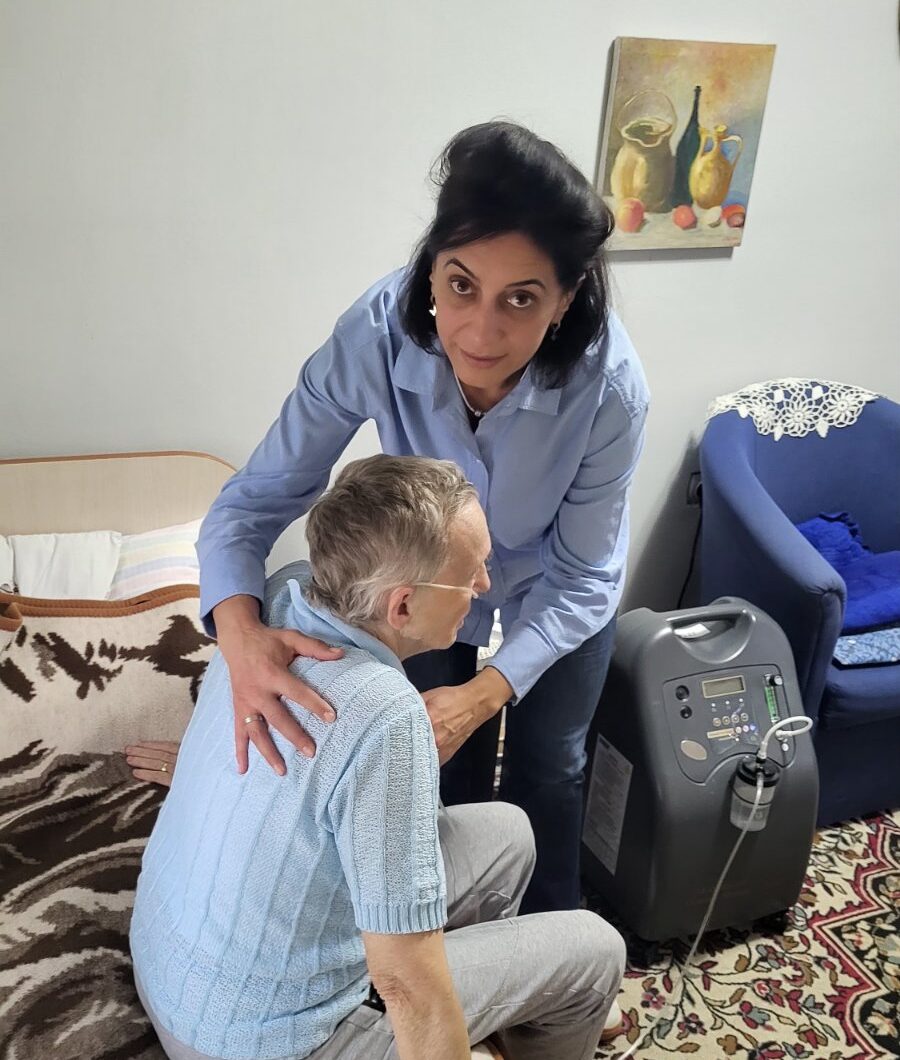
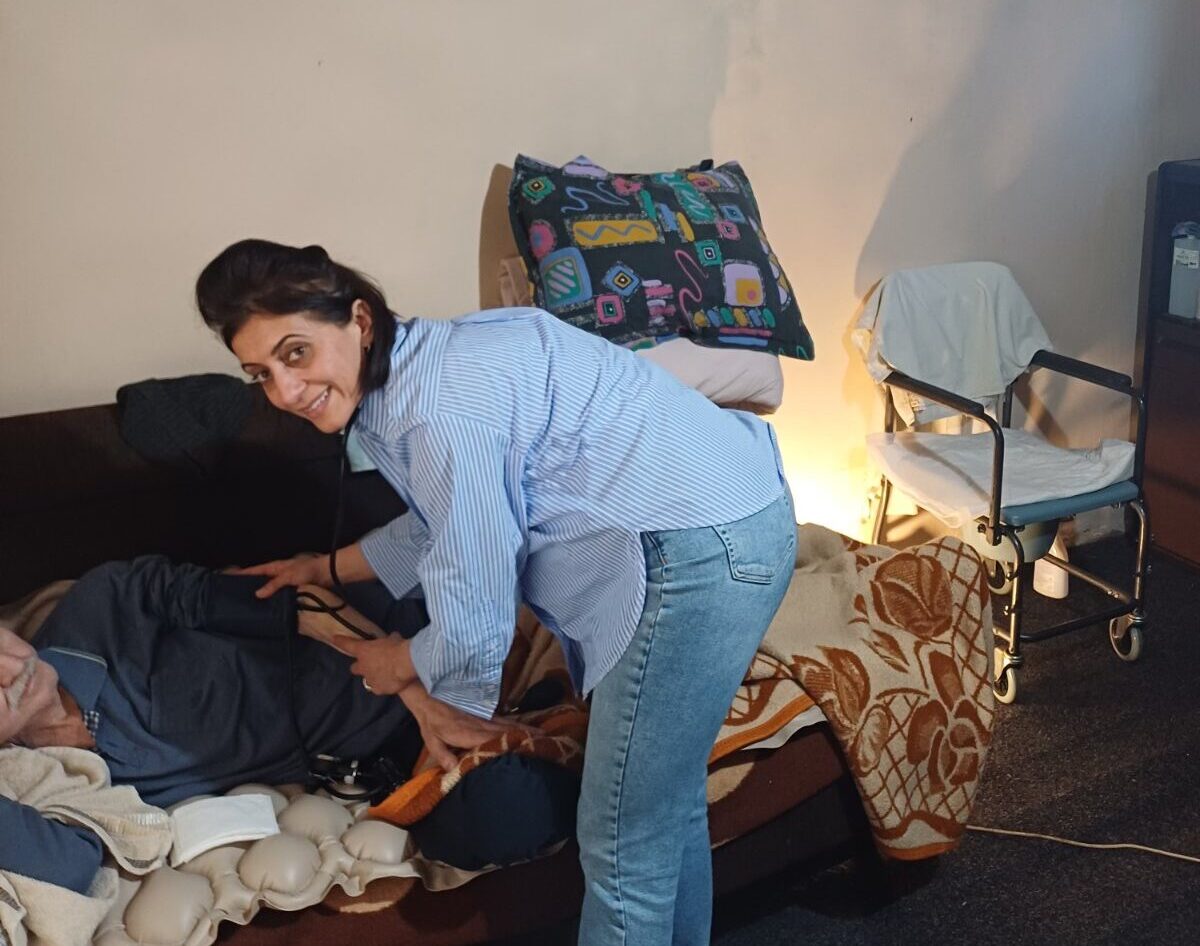
“We just did what you told us,” they said proudly. “That’s why things are getting better,” I replied. “You did this.”
Moments like these remind me why I do this work. People often think palliative care is about procedures, dressings and treatments. In my experience, it is equally about emotion the family’s fear, the patient’s vulnerability, and the search for peace in the midst of hardship.
The hardest moment is often when I first enter a home and see panic in people’s eyes, afraid they will do something wrong. The most beautiful moment is when I see that fear replaced with confidence. When families take over care with love, knowing they are not alone.
In palliative care, we may not be able to defeat the illness. But we can relieve pain, reduce fear, and ease loneliness. We can bring comfort, dignity and reassurance. We can help families become part of the care.
These moments may never appear in statistics, but they remain in the lives of the people who needed them. And that is why palliative care is so important.
– Nurse Bojana, BELhospice
